
Let's Build

About DoubleKlick

Builders, operators and problem solvers.

DoubleKlick is an independent product engineering studio focused on turning real business problems into useful digital systems. That now includes the AI workforce and automation layer that keeps a business running while the owner is under a car, on a roof or asleep.

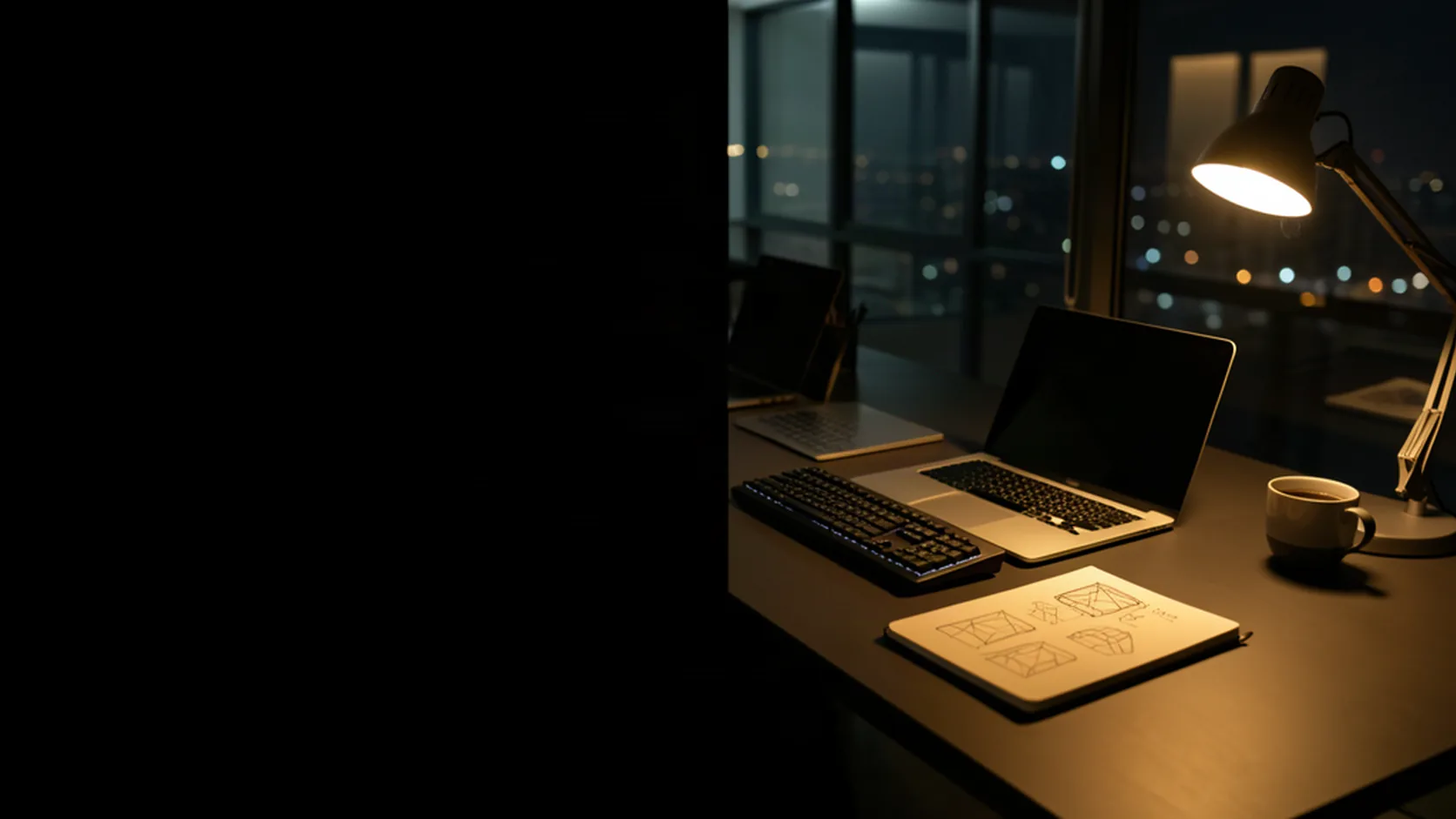
The DoubleKlick studio workspace

How We Work

Both sides of the problem.

We approach software from both sides: what needs to be built technically, and what needs to work operationally once it is in the hands of a business.

That means understanding the workflow, the people using it, the systems around it and the result the product is meant to create.

Why DoubleKlick Exists

Good businesses lose money to work that should not need a human.

The problem

An enquiry at nine at night that nobody answers until Tuesday. A quote retyped by hand from the same three part numbers. Follow up that happens only when there is spare time, which there never is. Owner operated businesses carry that load personally, and growth adds more of it.

The decision

Hire for the exceptions, automate the routine. Anything that happens the same way every time is a candidate for a system, and usually a cheap one. The judgement calls stay with people, deliberately.

The build

Small, specific systems wired into the tools a business already runs on, deployed one at a time, measured, and kept running afterwards rather than handed over as a document and forgotten.

What Guides Us

Principles we build by.

Practical over theoretical

We favour practical solutions over unnecessary complexity. The right architecture is the one that solves the problem well, can be maintained, and gives the business room to evolve.

Long-term thinking

Launching the first version is only part of the job. Products change as customers, teams and requirements change, so we design with iteration in mind.

Clear communication

Clear communication matters as much as clean code. Decisions, trade-offs, progress and risks should be understandable without hiding behind technical language.

Automate the routine, human the exception

Machines should take the repetition and the follow up. People should take judgement, relationships and anything unusual. Confusing the two is where automation projects go wrong.

Measure it or it did not happen

Every system we ship reports its own numbers, so improvement is evidence rather than opinion and a problem shows up as a figure instead of a complaint.

Own the defect

When something we built breaks, we say so plainly, fix it and record why it broke. Silent patches and quiet workarounds compound into outages.

How It Has Gone So Far

Built in stages, in the order the work demanded.

Parts and automotive tooling

Product and fitment tooling, harness and wiring reference tools, and quoting systems built around how the workshop actually operates rather than a generic template.

Quote pipelines that write the draft order

Enquiry in, priced draft order out, with the admin removed from the middle and a real record left behind for the owner to check before anything is sent.

AI workforce on the front desk

Agents handling first response, qualification, follow up and reporting, with a human approving anything that moves money or commits the business.

Web estates that stay up

Sites, intake forms and CRM wiring maintained on immutable releases with rollback, so any change can be undone and nothing silently breaks in the background.

The Team

Small on purpose.

A small AI workforce works alongside the founder. Each agent is named for the job it does and is accountable for a measurable outcome, not for looking busy.

Mitch Sanders, founder

Systems design, architecture, and final approval on anything that touches money or customers.

Engineering and operations agents

Build, deploy, monitor and fix the systems that keep client operations running day to day.

Front desk and follow up agents

Answer, qualify, chase and report, so no enquiry sits unanswered overnight.

Next Step

Build something that works in the real world.

If you have an idea, a system that has outgrown itself, or a manual process that should be software, we would like to hear about it.

Start a Project